

Cadiz City, Negros Occidental, The Philippines. During the last Sunday of January, the city Celebrates its annual fiesta called “The Dinagsa Festival”. A singular celebration unfolds that marries deep religious devotion, local history, culture and pure, unrestrained joy. This is the Dinagsa Festival, a festival unlike any other in the Visayas, named not for dance alone, but for people; their faith, unity, and celebration of life.
Origins: Faith, Whales, and Community
The roots of Dinagsa can be traced back to the early 1970s as a thanksgiving celebration in honor of the Señor Sto. Niño de Cadiz or the Child Jesus, who is regarded as the protector and patron of Cadiznons. Originally inspired by Ati-Atihan-style festivities (similar to other Sto. Niño celebrations across the Philippines), the community sought a distinct identity for its own annual celebration.
In 2002 the festival was christened “Dinagsa”, a Hiligaynon word meaning “flocked” or “coming together”. In honor of a remarkable event in local history: the landing of twelve sperm whales on the shores of Cadiz in 1967. That same spirit of coming together continues to define the festival, as tens to hundreds of thousands of participants now flock to the city each year.
The Evolution of the Celebration
Today, the Dinagsa Festival is a 10-day whirlwind of spiritual and cultural activities. Daily masses, the Fluvial Parade along the coastline, traditional dances, drum beats echoing through the city streets, and sports competitions are ingrained parts of the program. Yet the hallmark spectacle that has captured national and international attention is the “Lamhitanay sa Dalan.”
Lamhitanay sa Dalan: The Paint of Celebration
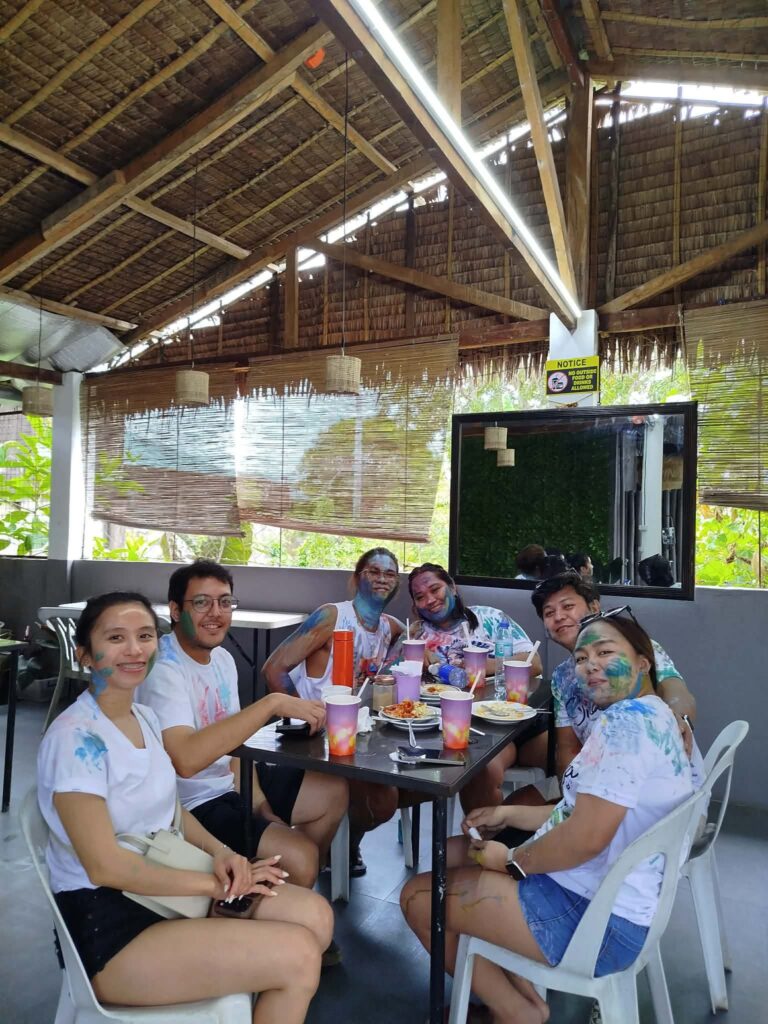
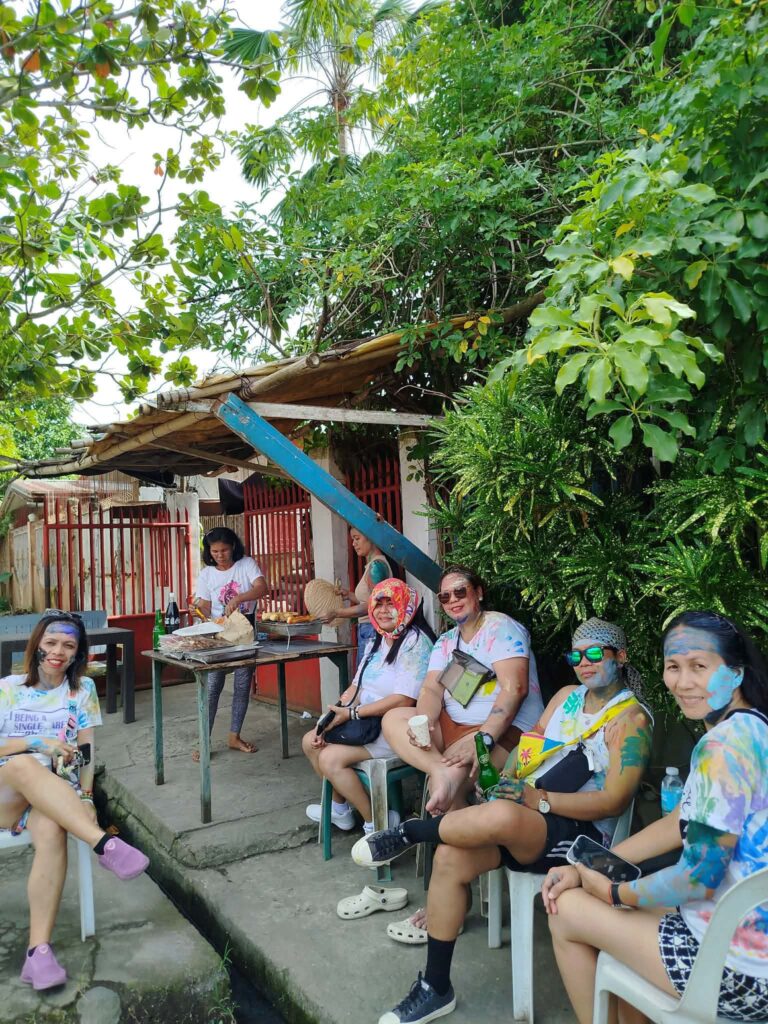
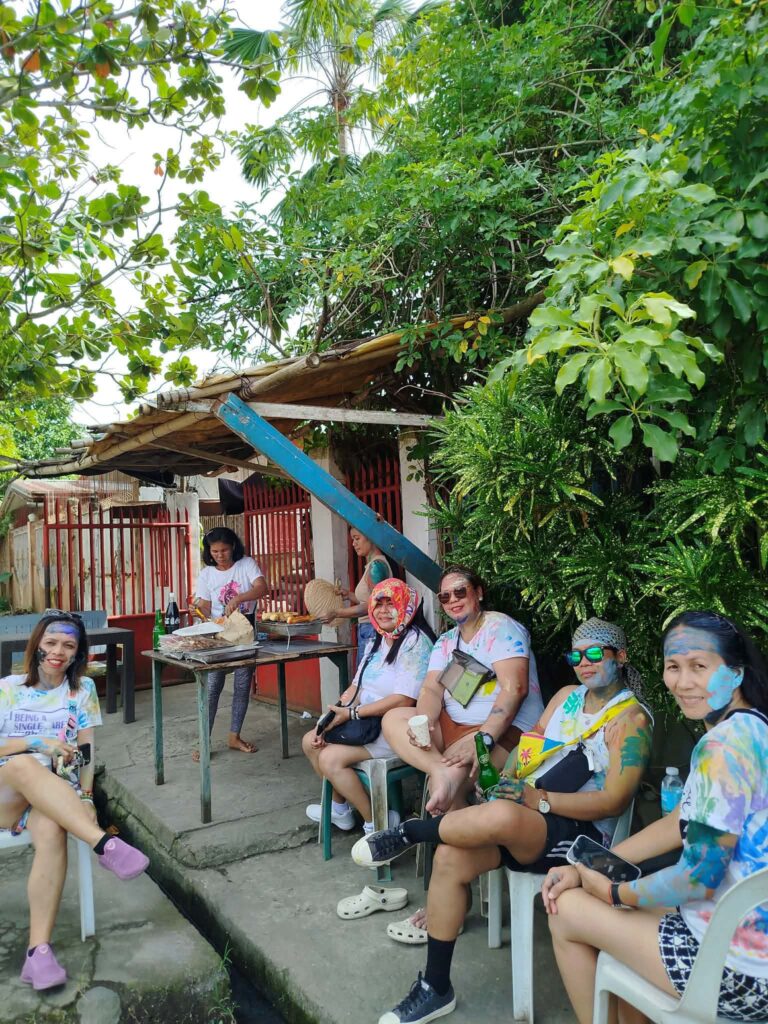
“Lamhitanay” literally means to smear — a reference to the now-iconic paint-smearing tradition held on the streets of Cadiz during Dinagsa. Participants of all ages roam the thoroughfares, gleefully smearing non-toxic, water-based colored paints on one another in a celebration of unity, joy, and community spirit.
Originally, smudging once drew from earthly materials like charcoal to symbolize the “Ati” tradition. Over time, the practice evolved — and, in Cadiz’s version, the adoption of vibrant water paints turned Lamhitanay into one of the most joyful, colorful occasions in the Philippine festival calendar.
Local authorities have emphasized the use of safe, washable paints to keep the activity enjoyable for all ages, and the event has become such a signature of the Dinagsa experience that it draws hundreds of thousands of revelers every year, fueling both tourism and economic activity in the city.
A Festival of Faith, Culture, and Community Impact
Over the years, the Dinagsa Festival has grown significantly, both in scale and in cultural importance. From its religious origins to crowd-drawing street dances and paint festivities, it now serves as both a thanksgiving ritual and a community unifier, drawing people from all across the Philippines and beyond.
Aside from the hallmark street dance competitions and fluvial procession, events like Paralympiada (a sports and cultural event for children with special needs) underscore the festival’s commitment to inclusivity and community support.
More Than a Festival: A Taste of Cadiz’s Heritage
While Dinagsa fills the streets with color and rhythm, Cadiz City’s vibrant local culture continues even in its cafés and culinary traditions; especially in the revival of native coffee brewing techniques. One notable example is Cafe Rizz – also known as the Secret Garden, a beloved coffee shop and restaurant in Cadiz City.
The Native Coffee Tradition of Lola Morita
Cafe Rizz, the establishment’s signature Morita Blend coffee draws from an original native coffee brewing technique passed down from grandmother “Lola Morita” (or “Morit”). This traditional method was taught to Riza, the café’s proprietor, who now continues the legacy in every cup served.
At Cafe Rizz, this heritage is more than a recipe; it’s part of the cultural fabric of Cadiz. The menu celebrates a range of native coffee variations rooted in Lola Morita’s technique, from bold black brews to espresso-style blends and milk-based concoctions, all of which speak to a slow-bred tradition that ties back to homegrown tastes and grassroots roots.
This blending of festive culture with culinary heritage showcases how Cadiz’s traditions extend beyond street dances and paint into the everyday; where old wisdom meets modern enterprise.
Dinagsa Today and Its Future
Today, as Cadiz celebrates its 50+ year legacy of Dinagsa, the festival stands as a testament to the city’s resilience, unity, and cultural pride. It attracts not just local revelers but international tourists, contributing significantly to the region’s economy while fostering deeper appreciation for community traditions.
Whether through the joyful chaos of Lamhitanay sa Dalan, the rhythmic mastery of tribal dances, or the aroma of a native coffee brewed gently at a local café, Dinagsa remains a living narrative of faith, culture, legacy, and collective joy and a hallmark of Cadiz’s identity as the City of Whales and Wonders.